A Smart Upgrade for Modern Logistics
Introducing our brand new range of stackable, injection-moulded plastic pallets — engineered to offer a robust, long-term alternative to traditional wooden pallets. These pallets are lightweight yet durable, hygienic, and designed for high efficiency in storage, transport and supply chain operations.
Easily stackable (saving valuable space when not in use), simple to wash down, and fully recyclable at end of life, our plastic pallets are particularly well-suited to sectors like food & fresh produce, IT and electronics, engineering and pharmaceuticals — where clean working environments, strict hygiene and repeat reliability are essential.
Buy Plastic Pallets
-
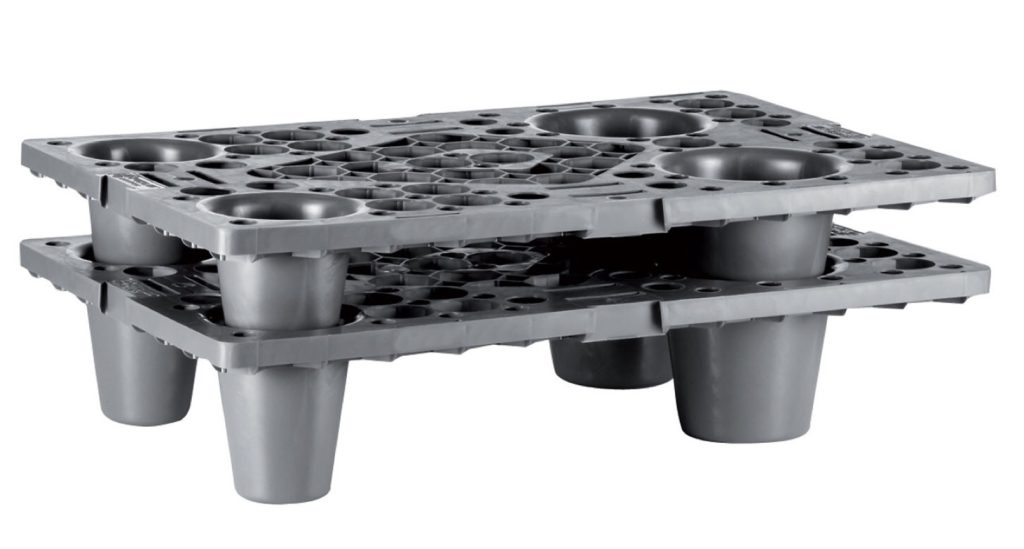
Size A – 600mm x 400mm Stackable Plastic Pallets
Price range: £137.83 through £916.21 -
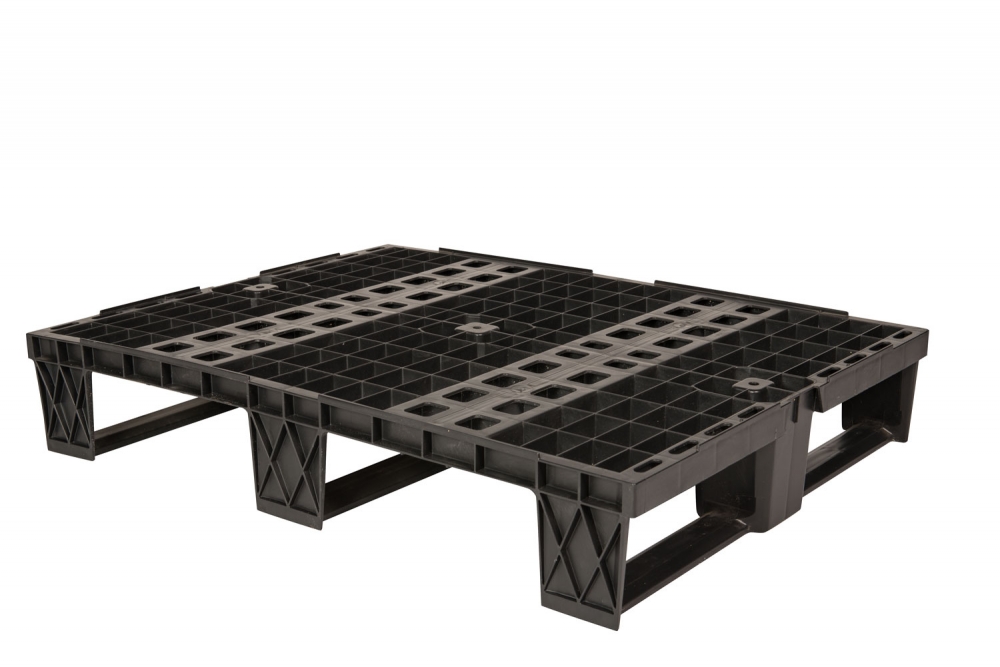
Size B – 800mm x 600mm Plastic Pallets – HALF EURO Size
Price range: £81.25 through £465.27 -
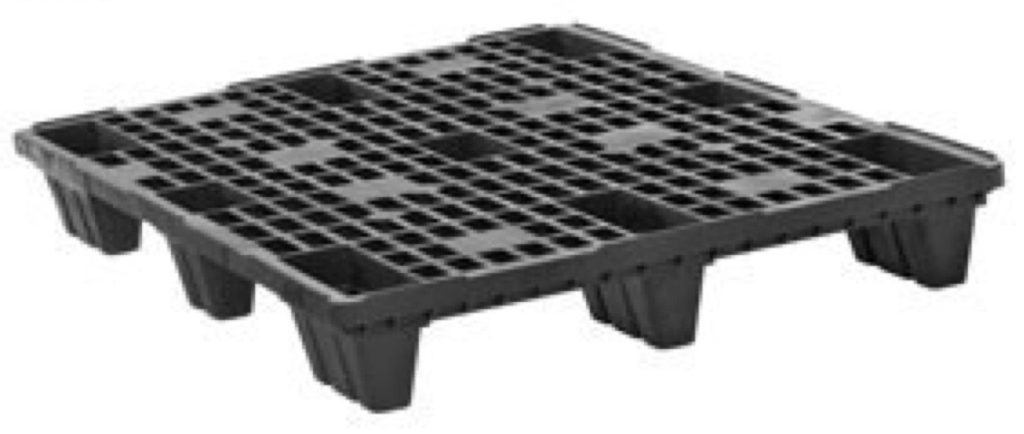
Size C – 1200mm x 800mm Stackable Plastic Pallets – FULL EURO Size
Price range: £106.38 through £671.50 -
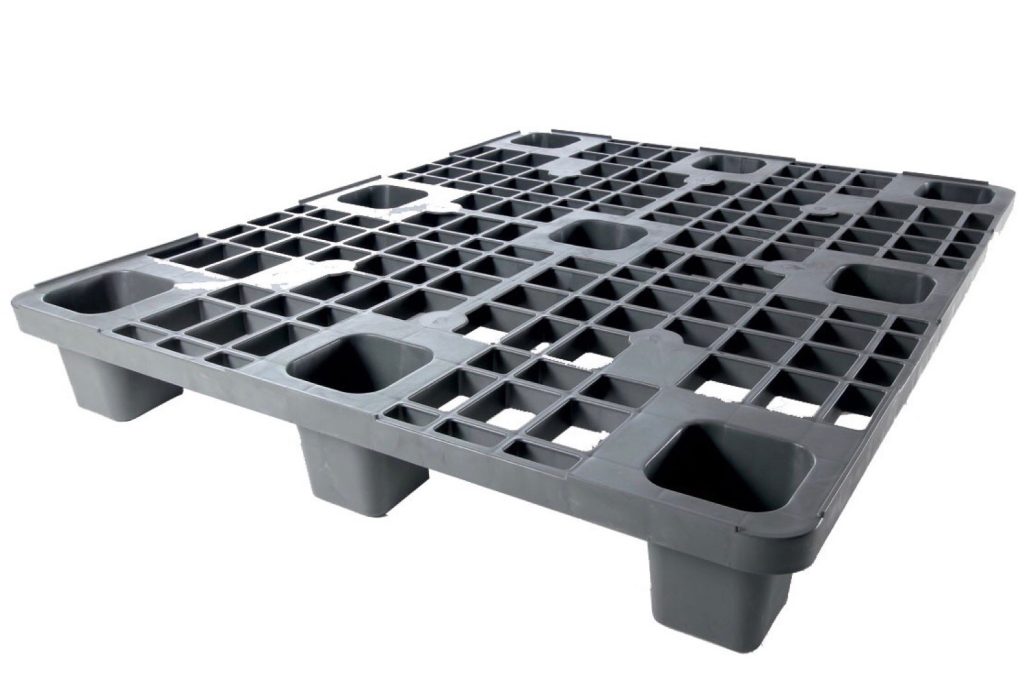
Size D – 1200mm x 1000mm Stackable Plastic Pallets
Price range: £169.40 through £1,121.40
Key Features
- Lighter than timber pallets — especially when wet — helping to reduce handling difficulty and transport weight.
- No splintering, no disintegration, no exposed nails or fasteners — making them safer for operators and less damaging to goods.
- Excellent chemical and water resistance, meaning minimal degradation in demanding environments.
- No heat-treatment required for export shipping (since they are plastic, not wood), simplifying export logistics and compliance.
- Recyclable at end of use: the injection moulded polypropylene plastic can be reused or processed, which aids circularity.
- Stackable / nestable design frees up storage space when pallets are empty.
- Ideal for hygienic environments — non-porous surfaces are much easier to clean/disinfect than untreated wood.
- Available in various sizes and loading ratings (e.g., 600 × 400 mm with static load ~150 kg; 1200 × 800 mm, static load ~2500 kg; etc).
Why Plastic Pallets Outperform Wooden Pallets
While wooden pallets remain common, shifting supply-chain demands mean plastic pallets are increasingly viewed as the smarter choice. Below we dive into the principal benefits of plastic over wood — and why these can matter significantly to your operations.
1. Hygiene & Cleanliness
Plastic pallets are non-porous and smooth. They don’t absorb moisture, chemicals or odours in the way wood can. This makes them far easier to sanitise, wash down or sterilise — a major plus in food, pharmaceutical, cold-storage or clean-room environments.
In contrast, wooden pallets can harbour mould, bacteria or pests when exposed to damp or soiled conditions. Over time this can compromise product safety and increase the cost of cleaning or treatment.
2. Durability & Lifespan
Plastic pallets are highly resistant to rot, corrosion, moisture damage, insect infestation and chemical attacks. That means fewer replacements, less downtime, and lower lifetime cost — even though the upfront cost may be higher.
Wooden pallets, although initially cheaper, often suffer vandalism, breakage, warping, or pest damage, especially in humid or outdoor conditions, which reduces their usable life.
3. Weight & Handling Efficiency
Plastic pallets tend to be lighter than equivalent wooden pallets. Lower pallet weight means easier manual or forklift handling, reduced operator fatigue, and lower transport/air-freight cost (every kg counts).
Wood pallets are heavier, which increases shipping weight, and in turn may raise fuel, labour and freight costs.
4. Export & Regulatory Compliance
Because plastic pallets are manufactured from non-wood materials, they are generally exempt from the international fumigation/heat-treatment requirements defined by standards such as ISPM 15 (which applies to wood packaging).
This simplifies export logistics, reduces costs associated with treatment or documentation, and lowers risk of shipment rejection due to pests or adhesives used in wood pallets.
5. Space & Storage Advantage
The stackable or nestable design of many plastic pallets means that when they are empty they take up less space — increasing warehouse efficiency and reducing storage costs. Our stackable plastic pallet range is designed with this in mind.
Wood pallets often cannot nest as efficiently when empty, thereby tying up space in the yard or warehouse.
6. Safety for Workers & Product
Because plastic pallets lack splinters, exposed nails or broken boards, they reduce work-place injury risk and product damage risk.
Wood pallets, in contrast, frequently develop cracks, splits, protruding nails or loose boards — all of which pose hazards to handlers or goods.
7. Long-Term Cost-Effectiveness
Although plastic pallets often cost more upfront (sometimes up to three times the price of a wood pallet) they can provide superior value over time because of their durability, reduced maintenance/repair cost, longer lifespan and improved operational efficiency.
Wood pallets may appear cheaper initially, but frequent replacement, repair, cleaning/recurring maintenance and loss due to damage can erode cost savings.
8. Environmental & Recycling Considerations
Plastic pallets are reusable many times and can often be fully recycled at end of life — supporting circular economy goals.
On the other hand, while wood is a renewable material and biodegradable, untreated or contaminated wooden pallets may end up in landfill, or require processing and treatment, and their lifespan is typically shorter — which may offset initial green credentials.
Therefore, for many high-use, hygienic or export-driven operations, plastic pallets strike a favourable balance between sustainability and performance.
9. Uniformity & Compatibility
Because plastic pallets are injection-moulded or otherwise precisely manufactured, they offer consistent dimensions, weight, strength and quality — which is important in automated warehousing, conveyor systems, racking, and logistical planning.
Wood pallets can vary significantly in size, board spacing, strength, and condition, which may complicate automation, stacking or material-handling planning.
10. Technology Integration
Modern plastic pallets can be embedded with tracking technologies (such as RFID chips) or surface features (anti-slip design, integrated identification) more easily than wood — which enhances supply-chain visibility and asset tracking.
Wood pallets are much less compatible with these advanced tracking or automation features.
When Plastic Pallets Are the Right Choice
Given the advantages above, plastic pallets are especially well-suited for operations with one or more of the following characteristics:
- Hygiene-sensitive sectors (food, fresh produce, pharmaceuticals, healthcare) where sanitation, clean surfaces and contamination risk must be tightly controlled.
- Frequent reuse, long lifecycle, closed-loop or returnable logistics systems where durability is important.
- Export or international shipping regimes where ISPM 15 compliance or phytosanitary risk is relevant.
- Environments subject to moisture, chemicals, cold/freeze conditions, or where mould/pest risks are elevated.
- Automated facilities, conveyors, racking systems, or operations where consistent pallet dimensions and quality improve efficiency.
- Situations where stacking/nesting of empty pallets, and space optimization, improve cost efficiency in warehousing and transport.
Products by Category
-
Size A – 600mm x 400mm Stackable Plastic Pallets
Price range: £137.83 through £916.21 -
Size B – 800mm x 600mm Plastic Pallets – HALF EURO Size
Price range: £81.25 through £465.27 -
Size C – 1200mm x 800mm Stackable Plastic Pallets – FULL EURO Size
Price range: £106.38 through £671.50
But It’s Not All One-Way
It’s important to note that wooden pallets still have their place in many supply-chains. Their lower upfront cost makes them attractive for one-way shipment, heavy loads, or where pallet lifespan is short.
Also, some operations may require extremely heavy static/dynamic loads beyond what a given plastic pallet model supports, or may prefer a repair-friendly wood pallet if damage is expected.
Therefore, the choice of pallet material should always follow a clear assessment of:
- Load type (weight, dynamic vs static)
- Reuse frequency and lifecycle expectations
- Hygiene, regulatory and export requirements
- Storage, warehouse space and empty pallet management
- Long-term cost of ownership (not just purchase price)
- Environmental goals and recycling/asset recovery systems
- Compatibility with handling equipment, automation, stacking and transport flow
It’s the Pallet-able Choice
Switching to high-quality plastic pallets can offer your business major advantages: improved hygiene, greater durability, lighter handling, cost-savings over time, export compliance simplification, better space utilisation, and safer working conditions. While the initial investment may be higher than basic wooden pallets, the total cost of ownership and operational benefits mean plastic pallets can deliver significant value — especially in modern supply chains where efficiency, cleanliness and reusability matter.
If your operation involves frequent reuse, needs high hygiene standards or serves regulated industries (food / pharma / fresh produce), then choosing plastic pallets is a strategic decision.
Explore our stackable plastic pallet range today and discover how switching to plastic can enhance your logistics, reduce risk and support long-term efficiency.