Posted on

Board Backed Envelopes: A Complete Guide to Sizes, Uses and Protection

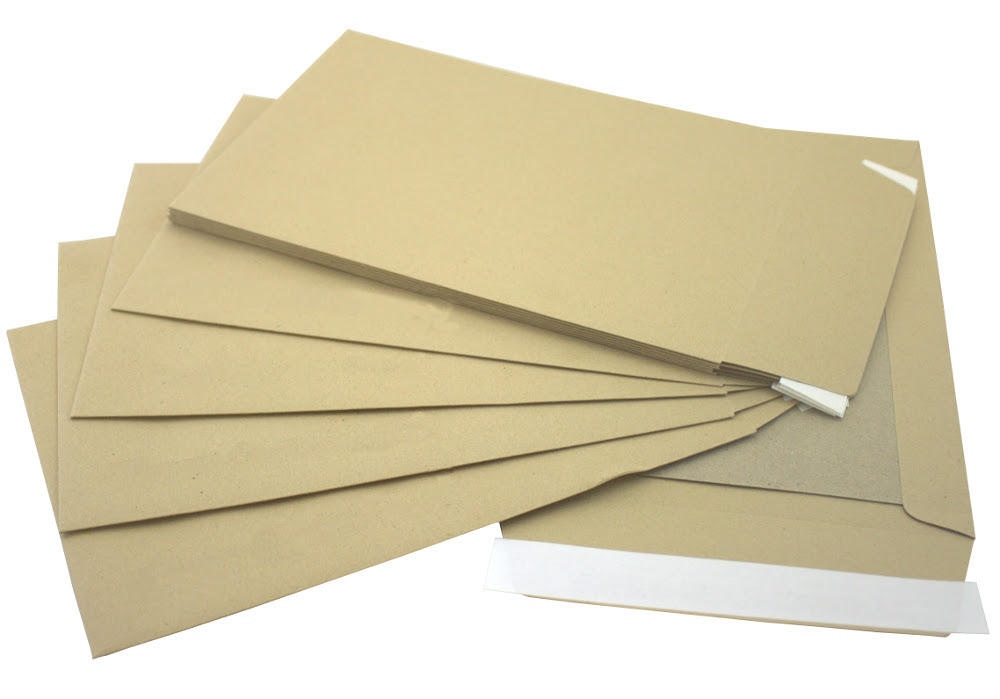
Lightweight-C4-Board-backed-envelopes-defenda

Board backed envelopes are one of the simplest ways to protect important documents, photographs, certificates and artwork in the post.

Unlike an ordinary paper envelope, a board backed envelope has a rigid card backing that helps prevent the contents from bending, folding or creasing while in transit.

They are widely used by businesses, schools, offices, photographers, artists, solicitors and anyone who needs to send flat items safely through the post.

If you already know what you need, you can browse our board backed envelopes range here.

What Is a Board Backed Envelope?

A board backed envelope is a paper mailing envelope with a rigid cardboard backing.

The board gives the envelope extra strength and helps keep the contents flat while they are being handled, sorted and delivered.

They are often printed with the words “Please Do Not Bend” to alert postal and courier staff that the contents should remain flat.

You may also hear them described as:

All of these terms generally refer to the same type of protective postal envelope.

What Are Board Backed Envelopes Used For?

Board backed envelopes are useful whenever the contents could be damaged by bending or creasing.

Typical uses include sending:

  • certificates
  • contracts
  • legal documents
  • photographs
  • artwork
  • prints
  • reports
  • presentations
  • brochures
  • application forms
  • educational documents
  • important business paperwork

They are especially useful when the contents need to arrive looking professional.

A folded or creased certificate, photograph or presentation can create a poor impression, even if the contents themselves are still readable.

Why Use Board Backed Envelopes Instead of Ordinary Envelopes?

Ordinary envelopes are designed mainly to contain and conceal documents.

They offer very little protection against bending.

Board backed envelopes add a rigid layer of card behind the contents, giving the package greater resistance to folding and creasing.

This makes them a better choice for anything that needs to remain flat.

For everyday letters, a normal paper envelope is usually sufficient.

For certificates, photographs, artwork, reports and other important flat items, a board backed envelope offers much better protection.

What Size Board Backed Envelope Do I Need?

The easiest way to choose a board backed envelope is to match the envelope size to the paper or document size you are sending.

As a general guide:

ItemRecommended envelope size
A6 document or small photographC6
A5 documentC5
A4 folded onceC5
A4 document unfoldedC4
A3 document unfoldedC3
Large artwork or printsC3 or specialist oversized envelope

The envelope should be slightly larger than the document so the contents can be inserted without forcing them.

Not sure which version you need? Browse all board backed envelopes by size and style.

What Size Board Backed Envelope Fits A4 Paper?

For an A4 document that needs to remain unfolded, a C4 board backed envelope is normally the best choice.

A4 paper measures 210mm x 297mm, while a standard C4 envelope is approximately 229mm x 324mm.

This leaves enough room for the document to fit comfortably while keeping it flat.

C4 board backed envelopes are commonly used for:

  • certificates
  • contracts
  • reports
  • photographs
  • artwork
  • business documents
  • presentations

Defenda Packaging stocks several types of C4 board backed envelope, each suited to a slightly different purpose.

For general business documents, our standard C4 board backed envelopes provide a strong everyday option.

Where reducing postal weight is important, our lightweight C4 board backed envelopes may be more suitable.

For particularly delicate documents, photographs or artwork, choose C4 board backed envelopes with stiffeners for additional rigidity.

We also stock white C4 board backed envelopes and white C4 window board backed envelopes where presentation is especially important.

See all C4 and A4 board backed envelope options

What Size Envelope Fits A5 Paper?

For A5 documents, a C5 board backed envelope is usually suitable, as well as C5 PIP board backed envelopes.

C5 envelopes are also commonly used for A4 documents that have been folded once.

They are useful for smaller brochures, booklets, reports and general business correspondence that requires more rigidity than a standard envelope.

Defenda stocks both standard and postal-focused C5 formats, so it is worth comparing the available sizes before ordering.

What Size Envelope Fits A3 Paper?

For A3 documents that must remain unfolded, a C3 board backed envelope is normally required.

These larger envelopes are often used for:

  • artwork
  • architectural drawings
  • plans
  • large certificates
  • oversized documents
  • presentation materials
  • posters and prints

Defenda supplies standard C3 envelopes as well as reinforced and white versions.

For general A3 documents, choose standard C3 board backed envelopes.

For valuable artwork or documents requiring additional rigidity, C3 board backed envelopes with stiffeners provide greater resistance to bending.

White versions are also available where appearance and presentation are important.

What Is the Difference Between C3, C4, C5 and C6 Envelopes?

Envelope sizes follow the international C-series paper system.

The main sizes used for board backed envelopes are:

C6 – suitable for A6 documents

C5 – suitable for A5 documents or A4 folded once

C4 – suitable for A4 documents without folding

C3 – suitable for A3 documents without folding

The larger the number, the smaller the envelope.

So C3 is larger than C4, and C4 is larger than C5.

For these generic size terms, I would usually link to the category rather than to a single product because Defenda stocks multiple versions in several sizes.

Are Board Backed Envelopes the Same as Hard Back Envelopes?

Yes, in most cases.

The terms board backed envelope, hard backed envelope, hard back envelope and card backed envelope are commonly used to describe the same type of product.

Different manufacturers and retailers may use slightly different terminology, but the principle is the same: a paper envelope with a rigid backing designed to help protect flat contents.

Are Board Backed Envelopes Suitable for Photographs?

Yes.

Board backed envelopes are a popular choice for posting photographs because they help protect prints against bending and creasing.

Defenda also supplies a dedicated photograph size board backed envelope, which may be more suitable where a standard C-series envelope leaves unnecessary excess space.

For valuable photographs, fine art prints or particularly delicate items, additional protection may be sensible.

This could include:

  • placing the photograph between two sheets of card
  • using a cardboard envelope stiffener
  • using a reinforced board backed envelope
  • placing the envelope inside a larger protective mailer

Are Board Backed Envelopes Suitable for Certificates?

Board backed envelopes are ideal for posting certificates.

Certificates often need to arrive in good condition because they may be framed, displayed or presented formally.

A C4 board backed envelope is usually the most appropriate size for a standard A4 certificate.

For particularly important certificates, adding an envelope stiffener can provide greater protection.

Can I Post Artwork in a Board Backed Envelope?

Yes, provided the artwork is relatively flat and not excessively fragile.

Board backed envelopes are commonly used for:

  • prints
  • illustrations
  • drawings
  • photographs
  • small pieces of artwork

For A4 artwork, a C4 envelope will usually be suitable, while larger A3 work will normally require a C3 envelope.

For valuable or highly delicate artwork, a more rigid cardboard mailer may be a better choice.

The packaging should always be selected according to the value, fragility and thickness of the contents.

Board Backed Envelopes vs All-Board Envelopes

These two products are similar but provide different levels of protection.

A board backed envelope normally has a rigid cardboard back with a paper front.

An all-board envelope or cardboard mailer uses rigid board on both sides.

This means an all-board mailer usually provides greater resistance to bending and impact.

As a general guide:

Board backed envelopes are ideal for documents, certificates, photographs and everyday flat items.

All-board envelopes are better where greater rigidity or protection is required.

Board Backed Envelopes vs Gusset Envelopes

Board backed envelopes and gusset envelopes solve different problems.

Board backed envelopes are designed mainly to prevent bending.

Gusset envelopes are designed to provide extra capacity for thicker contents.

A gusset envelope may be better for:

  • thick reports
  • catalogues
  • manuals
  • document packs
  • booklets

A board backed envelope may be better for:

  • certificates
  • photographs
  • artwork
  • documents
  • prints

If you need more capacity rather than rigidity, take a look at our gusset envelopes.

If the item is both thick and fragile, a box or specialist cardboard mailer may be more suitable.

What Does “Please Do Not Bend” Mean?

Many board backed envelopes are printed with the words “Please Do Not Bend.”

This acts as a clear instruction to postal and courier handlers that the contents should remain flat.

However, the wording itself does not guarantee that an envelope will never be bent.

The real protection comes from the strength of the board.

For valuable or delicate contents, choose a stronger envelope or add a cardboard stiffener rather than relying on the printed warning alone.

What Is an Envelope Stiffener?

An envelope stiffener is a flat piece of cardboard placed inside an envelope to increase rigidity.

It can be useful when sending:

  • photographs
  • artwork
  • certificates
  • important documents
  • presentation materials

A stiffener helps reduce the risk of the contents being bent even if pressure is applied to the envelope.

Defenda Packaging supplies cardboard envelope stiffeners in several sizes for use with board backed and other mailing envelopes.

Heavy Duty or Lightweight Board Backed Envelopes?

Not every mailing requires the heaviest possible envelope.

Heavy-duty board backed envelopes are useful where protection is the main priority.

Lightweight versions may be a better choice where keeping the total postal weight low is important.

Choose a heavier envelope for:

  • valuable documents
  • photographs
  • artwork
  • certificates
  • items that must remain very flat

Choose a lighter envelope where:

  • the contents are less fragile
  • postal weight matters
  • you are sending large volumes
  • the contents already have some rigidity

For standard A4 documents, compare our C4 board backed envelope options to choose between standard, lightweight c4 board backed envelopes, C4 Tariff Beater and reinforced designs.

Can Board Backed Envelopes Be Sent as Royal Mail Large Letters?

Some board backed envelopes may fall within Royal Mail Large Letter dimensions, depending on their size.

However, the final postal format depends on the complete package, not just the empty envelope.

You must consider:

  • length
  • width
  • thickness
  • total packed weight

Adding documents or stiffeners can increase both thickness and weight.

Always check the latest Royal Mail size and weight limits before posting.

If postal size and weight are a major consideration, compare our PiP and lightweight board backed envelopes.

How Do You Choose the Best Board Backed Envelope?

There are four main things to consider.

1. Size

Choose an envelope slightly larger than the item you are sending.

C4 is usually correct for unfolded A4 documents, while C3 is suitable for A3.

2. Rigidity

Think about how vulnerable the contents are to bending.

A photograph or certificate may need stronger protection than an ordinary business document.

For added rigidity, consider an envelope supplied with stiffeners or add a separate cardboard envelope stiffener.

3. Weight

Heavier envelopes provide more rigidity but also add more weight to the finished package.

Where postal weight matters, consider one of our lightweight board backed envelopes.

4. Presentation

White board backed envelopes can provide a more professional appearance for customer-facing documents, certificates and formal correspondence.

Brown manilla versions are often ideal for general commercial use.

Common Uses by Envelope Size

C6 Board Backed Envelopes

Best suited to:

  • small photographs
  • postcards
  • invitations
  • A6 documents
  • small printed items

Defenda stocks both Classic and PiP C6 formats.

C5 Board Backed Envelopes

Best suited to:

  • A5 documents
  • folded A4 paperwork
  • brochures
  • smaller photographs
  • booklets

C4 Board Backed Envelopes

Best suited to:

  • A4 documents
  • certificates
  • contracts
  • reports
  • photographs
  • artwork
  • presentations

Because Defenda stocks several C4 designs, it is best to compare the full C4 board backed envelope range before choosing.

C3 Board Backed Envelopes

Best suited to:

  • A3 documents
  • larger artwork
  • plans
  • drawings
  • prints
  • oversized presentation materials

Where Can I Buy Board Backed Envelopes?

Defenda Packaging stocks a wide range of board backed and hard backed envelopes for businesses and individuals throughout the UK.

The range includes:

  • C6 board backed envelopes
  • C5 board backed envelopes
  • C4 / A4 board backed envelopes
  • C3 / A3 board backed envelopes
  • white board backed envelopes
  • window envelopes
  • lightweight postal envelopes
  • reinforced envelopes
  • envelopes with additional stiffeners
  • photograph size envelopes
  • specialist oversized envelopes

Different sizes, styles and quantities are available depending on your requirements.

Browse the complete Board Backed Envelopes range

If you are not sure which envelope you need, start by identifying the size of the item you are sending and whether your priority is rigidity, low postal weight or maximum protection.

Choosing the Right Board Backed Envelope

The most important rule is simple: choose an envelope that fits the item properly and provides enough rigidity for the contents.

For ordinary paperwork, a standard board backed envelope is usually sufficient.

For valuable photographs, artwork or certificates, a stronger envelope or additional stiffener can provide extra reassurance.

And if the item is particularly thick, heavy or fragile, consider using a more rigid cardboard mailer instead.

Choosing the right packaging helps your documents arrive flat, protected and ready to use.
Posted on

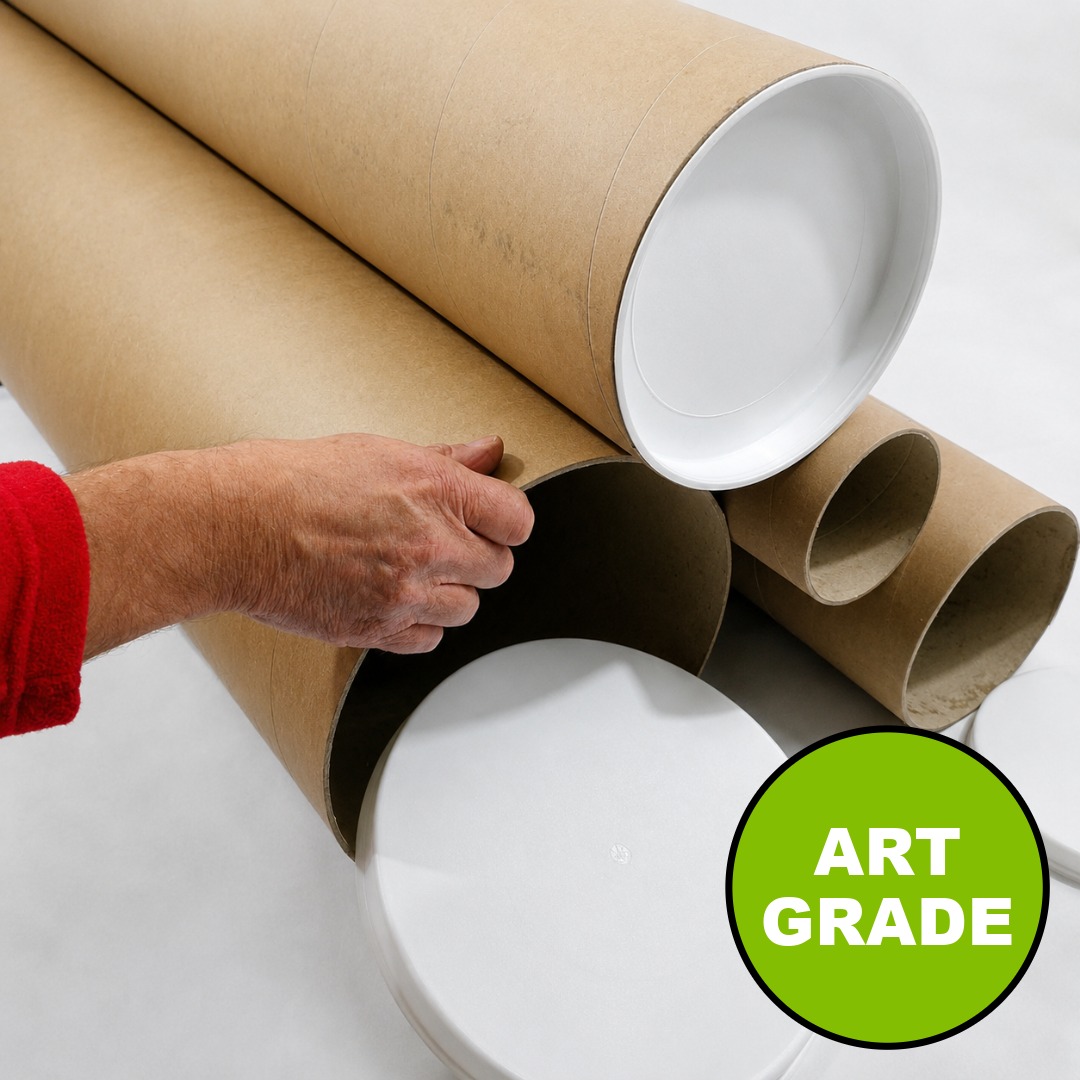
What are Art Grade Postal Tubes

Artists, photographers and designers often need to send valuable work through the post. Standard packaging may not provide enough protection for prints, drawings, posters and other delicate items.

Art grade postal tubes are designed to offer a higher level of strength and protection. They help keep rolled artwork safe from crushing, bending, moisture and general handling damage during storage or delivery.

Defenda Packaging manufactures high-quality art grade postal tubes for customers who need reliable packaging for important creative work.

What Is an Art Grade Postal Tube?

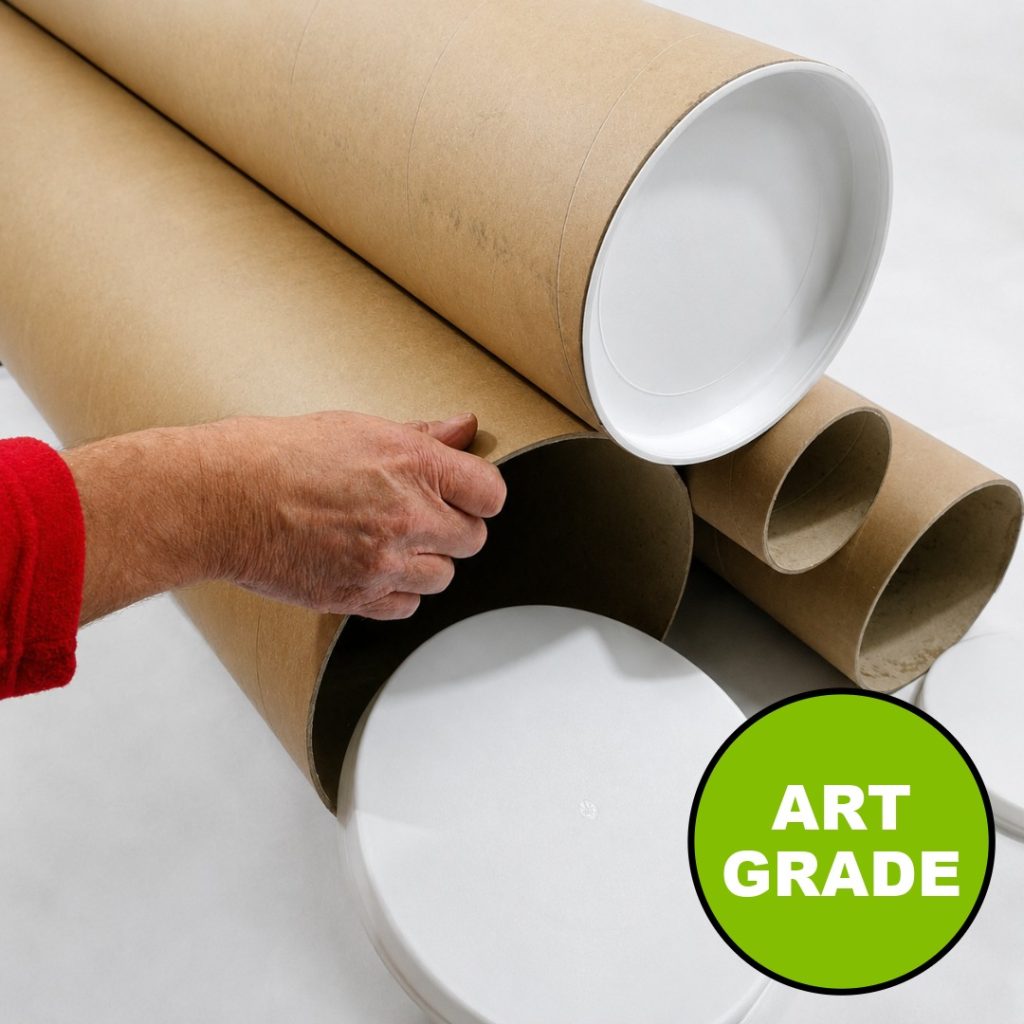
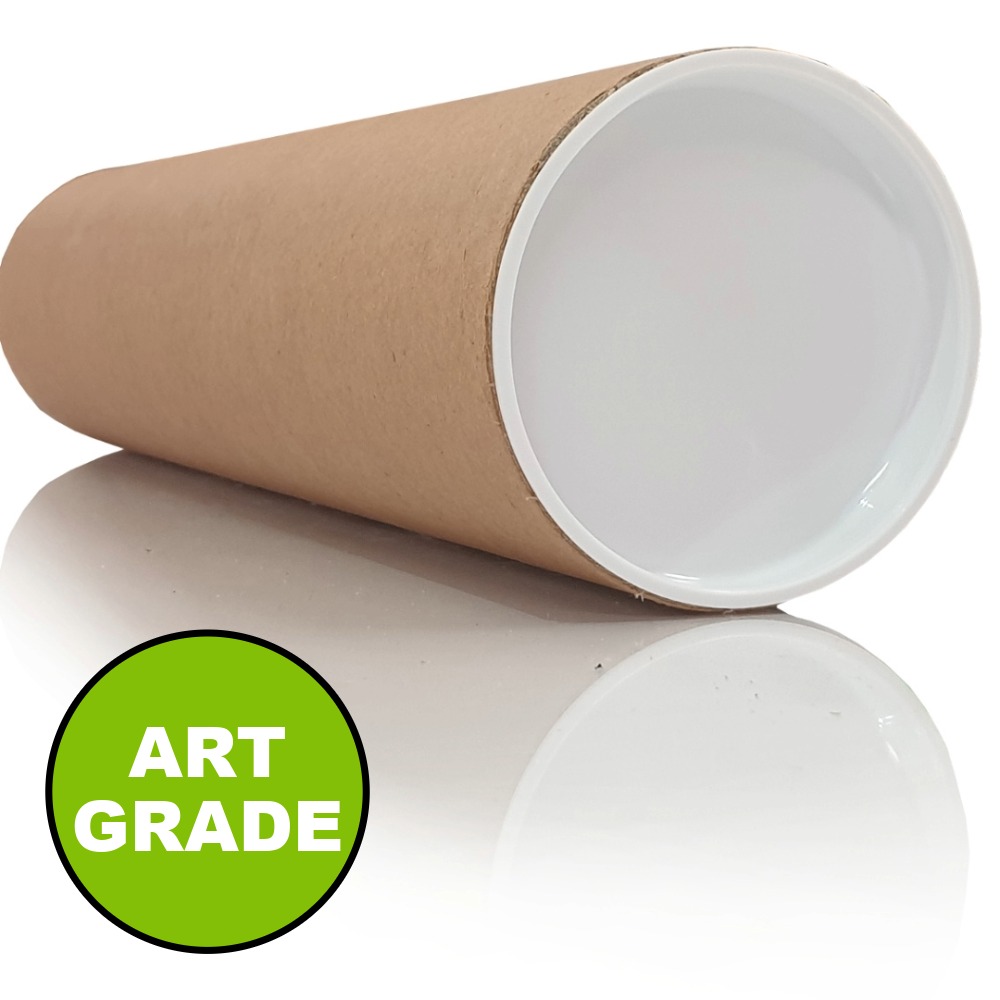
An art grade postal tube is a strong cardboard tube made for storing or posting rolled artwork and other valuable paper products.

They are commonly used for:

  • Fine art prints
  • Original drawings
  • Photographs
  • Posters
  • Plans and technical drawings
  • Maps
  • Limited-edition prints
  • Large-format documents
  • Graphic design work
  • Certificates and presentation materials

Although standard postal tubes can be suitable for everyday documents, art grade postal tubes are intended for items that need greater protection.

They are manufactured using strong, high-quality materials and are designed to resist crushing and bending.

Why Are Art Grade Postal Tubes Beneficial for Artists?

Artists often invest many hours in creating their work. A print, illustration or original drawing may also have significant financial or sentimental value.

Using the right packaging helps protect that work throughout its journey.

Better Protection During Delivery

Postal tubes can be exposed to rough handling, stacking and pressure while travelling through courier and postal networks.

A strong art grade tube creates a rigid protective barrier around the contents. This helps prevent the artwork from being bent, folded or crushed.

It also reduces the risk of damaged edges, creases and marks.

A Professional Presentation

Packaging is often the first physical contact a customer has with an artist or creative business.

A strong, well-made postal tube creates a professional impression. It shows that care has been taken to protect the item inside.

This can be particularly important for galleries, photographers, illustrators and online art sellers. Good packaging can improve customer confidence and help encourage repeat orders.

Reduced Risk of Returns and Replacements

Damaged artwork can be costly.

The artist may need to produce another print, issue a refund or arrange a replacement delivery. There may also be additional postage and customer service costs.

Using a high-quality art grade postal tube can reduce the risk of transit damage. This helps artists save time, protect their profit margins and maintain a strong reputation.

Suitable for Storage

Art grade postal tubes are not only useful for delivery. They can also be used to store prints, drawings and documents.

The rigid tube helps protect rolled items from dust, knocks and accidental damage. This makes it easier to organise artwork in a studio, office, workshop or archive.

Why Are Art Grade Postal Tubes Stronger?

The strength of an art grade postal tube comes from its materials and construction.

Postal tubes are usually made by winding layers of strong paperboard around a cylindrical form. Each layer adds strength and rigidity.

High-quality art tubes use carefully selected materials and controlled manufacturing methods. This helps create a tube that is firm, consistent and resistant to pressure.

Thicker Tube Walls

Art grade postal tubes often have thicker walls than lighter mailing tubes.

A thicker wall makes the tube more difficult to crush. It also helps the tube keep its shape when other parcels are placed on top of it.

This added strength is especially useful when sending larger prints or valuable artwork.

Strong Spiral-Wound Construction

Many high-quality postal tubes are made using a spiral-wound construction.

Multiple layers of board are bonded together to create a strong tube wall. The spiral design helps distribute pressure across the surface of the tube.

This makes the packaging more resistant to bending and impact.

Improved Rigidity

A rigid postal tube is less likely to flex during handling.

This is important because excessive movement can damage the contents. A strong tube helps keep artwork securely rolled and protected throughout transport.

Reliable End Protection

The ends of a postal tube can be vulnerable during delivery.

Strong end caps help keep the contents inside and protect the edges of the artwork. They also help prevent dust and dirt from entering the tube.

For extra protection, artists can leave a small gap between the artwork and each end of the tube. This helps prevent the contents from being damaged if the tube is dropped.

High-Quality Manufacturing from Defenda Packaging

Defenda Packaging is committed to producing strong and dependable packaging products.

Its art grade postal tubes are manufactured with close attention to material quality, wall strength and overall consistency. This ensures that customers receive a reliable product that is suitable for professional use.

High-quality manufacturing is important because a postal tube must perform throughout its entire journey. It needs to remain rigid when handled, stacked, stored and transported.

Defenda Packaging understands the demands placed on postal packaging. Its tubes are designed to offer excellent protection while remaining practical and easy to use.

Artists, galleries and creative businesses can choose Defenda Packaging with confidence, knowing that their work is being protected by carefully manufactured packaging.

Who Should Use Art Grade Postal Tubes?

Art grade postal tubes are suitable for individuals and businesses that regularly send valuable rolled items.

They are especially useful for:

  • Professional artists
  • Art galleries
  • Photographers
  • Print studios
  • Graphic designers
  • Architects
  • Schools and colleges
  • Museums and archives
  • Poster retailers
  • Ecommerce businesses
  • Framers
  • Sign and display companies

They can also be used by anyone sending an important document or print that must arrive in excellent condition.

How to Pack Artwork in a Postal Tube

Correct packing can provide even more protection.

Start by making sure the artwork is completely dry and clean. Place a sheet of acid-free tissue paper or protective paper over the printed surface if necessary.

Carefully roll the artwork without making the roll too tight. A tight roll can create permanent curling or damage delicate materials.

Place the rolled artwork inside a protective sleeve or sheet of paper before inserting it into the tube.

Make sure the contents fit comfortably. The artwork should not be forced into a tube that is too narrow.

Use strong end caps and secure them with suitable tape when necessary. Add a clear address label and any required fragile or handling information.

Choosing the Right Size Postal Tube

The correct tube size depends on the dimensions and thickness of the rolled artwork.

The tube should be long enough to hold the artwork without crushing its edges. It should also be wide enough to prevent the artwork from being rolled too tightly.

A tube that is much larger than the contents may allow too much movement. In this case, suitable protective packing can be used to keep the artwork secure.

Choosing the correct size helps improve protection and can reduce unnecessary postage costs.

Are Art Grade Postal Tubes Environmentally Friendly?

Cardboard postal tubes can be a practical alternative to packaging made mainly from plastic.

Many cardboard tubes can be reused or recycled, depending on the local recycling service and the materials used.

Artists can also encourage customers to reuse the tube for storage, future deliveries or craft projects.

Choosing a strong tube may also reduce the number of damaged deliveries. This can help avoid the environmental cost of producing and sending replacement items.

Protect Your Artwork with Defenda Packaging

Art grade postal tubes offer a simple and effective way to protect prints, drawings, photographs and other valuable rolled items.

Their stronger construction helps resist crushing, bending and impact. They also provide a professional presentation and can reduce the risk of costly damage.

Defenda Packaging manufactures high-quality art grade postal tubes for artists, galleries, retailers and creative businesses. With strong materials and dependable construction, these tubes provide the protection needed to send artwork with confidence.

When the contents matter, high-quality packaging matters too.

Posted on

Die Cut Boxes: What They Are, How They’re Made, and When to Use Them

mug_box_2_edited_500px

In the world of packaging, die cut boxes have become one of the most popular and versatile solutions available. From online retailers sending out products to manufacturers protecting components in transit, these precision-cut boxes offer a combination of strength, efficiency, and presentation quality that standard cardboard boxes simply can’t match.

But what exactly are die cut boxes? How are they made, what are they used for, and what advantages do they offer over traditional packaging? In this article, we’ll explore everything you need to know about die cut boxes, including their benefits, potential drawbacks, and the situations where they really shine.

What Are Die Cut Boxes?

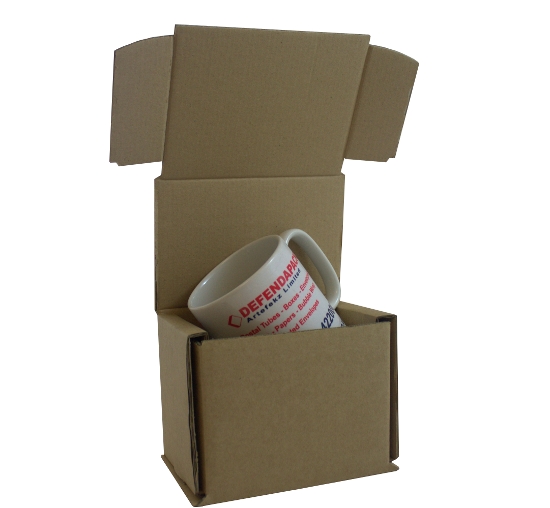
Die cut boxes are custom-shaped cardboard boxes that are cut from flat sheets of corrugated or solid board using a specially designed steel cutting tool called a die. The die is essentially a large stencil made from sharpened blades bent into specific shapes, mounted onto a strong wooden base.

When the board is placed under a die-cutting machine, the die presses down and cuts, creases, and scores the material in a single operation, creating panels, tabs, flaps, and locking mechanisms that fit together perfectly.

Unlike traditional “regular slotted cartons” (RSCs), the standard style of box that’s taped together at the bottom and top, die cut boxes are made to exact dimensions and shapes. This allows for designs with built-in locking tabs, hinged lids, handles, or even display windows.

How Are Die Cut Boxes Made?

The process of making die cut boxes combines engineering precision with creative design. Here’s how it works step by step:

  1. Design & Specification
    The process starts with a packaging designer or engineer creating a die-line, a digital drawing that specifies the box’s size, shape, and layout. This includes cut lines, fold lines, and perforations.
  2. Die Manufacture
    The design is then converted into a steel rule die, made by bending strips of sharpened steel into shape and embedding them into a wooden board. Each edge of the die corresponds to a specific part of the box.
  3. Die Cutting
    The die is loaded into a flatbed or rotary die-cutting machine, which applies pressure to stamp out the shapes from flat corrugated sheets. During this process, the board is cut and creased in one pass.
  4. Ejection and Finishing
    The newly cut box blanks are removed, sometimes including holes, handles, or windows. Some boxes may then be printed, laminated, or varnished for a premium finish.
  5. Flat Packing
    The die cut boxes are supplied flat-packed for efficient storage and can be easily assembled without the need for glue or tape.

This precision process allows for repeatable accuracy, so every box comes out identical, ideal for businesses that require consistent branding or snug-fitting packaging.

What Are Die Cut Boxes Used For?

Because die cut boxes can be designed in almost any shape or size, they are used across a wide range of industries and applications. Common uses include:

  • E-commerce packaging – for mailing small to medium-sized products safely and attractively.
  • Subscription boxes – providing a premium unboxing experience for monthly deliveries.
  • Retail packaging – especially for cosmetics, electronics, food, and gift items.
  • Postal boxes – sized to meet Royal Mail’s large letter or small parcel dimensions.
  • Product display boxes – with built-in windows or printed branding for in-store presentation.
  • Component or parts boxes – designed to hold specific items securely during storage or transport.
  • Archival or document storage – made to protect flat paper items or documents.

Essentially, if you can imagine a packaging shape, you can make it with a die cut box.

Advantages of Die Cut Boxes

There are many reasons why die cut boxes have become a preferred choice for businesses large and small. Let’s look at the key benefits in detail.

1. Precision Fit and Professional Appearance

Because die cut boxes are created to your exact specifications, they offer an exceptional fit for your products. This reduces movement during transit, minimises damage, and enhances the overall presentation. The clean, sharp edges and symmetrical folds make these boxes look professional and high-quality, an important factor for brands that care about presentation.

2. Efficient Assembly

Many die cut designs are self-locking, meaning they can be assembled in seconds without tape or glue. This makes them faster to pack and reduces the need for extra materials, saving both time and money.

3. Customisable Design

Die cut boxes can be fully customised to meet specific needs. You can add cut-out handles, viewing windows, integral dividers, or tabs, whatever your product or shipping method requires. They can also be printed with your company logo, colours, or marketing messages, helping reinforce your brand.

4. Space Saving & Flat Packed

Supplied flat-packed, die cut boxes take up minimal storage space before assembly. This makes them ideal for businesses with limited warehouse or packing area space.

5. Cost-Effective at Scale

While there’s an initial cost for the die itself, once the die is made, boxes can be produced quickly and economically in bulk. For regular packaging users, this provides a reliable and cost-efficient long-term solution.

6. Compatibility with Postal Services

Many die cut postal boxes are engineered to fit within Royal Mail size guidelines, helping you save on postage costs. For online retailers, this can make a big difference to profitability.

7. Eco-Friendly Packaging

Die cut boxes are typically made from recyclable corrugated cardboard, and because they often don’t require plastic tape or fillers, they are an environmentally friendly option.

Disadvantages of Die Cut Boxes

While die cut boxes offer many advantages, there are also a few potential drawbacks to consider before choosing them.

1. Initial Tooling Cost

Because each design requires a custom-made die, there is an upfront tooling cost. This makes die cut boxes less economical for very small production runs or one-off orders. However, for repeat orders, the die can be reused indefinitely.

2. Limited Size Flexibility Once Cut

Once the die is made, it can only produce boxes of that exact size and shape. If your product dimensions change frequently, you may need to invest in new dies.

3. Lead Time for Custom Designs

Creating and testing a new die-cut design can take a few days or weeks depending on complexity. Standard boxes, by contrast, can often be delivered immediately from stock.

Despite these considerations, for most businesses, the efficiency, quality, and presentation benefits far outweigh the minor limitations.

When Are Die Cut Boxes the Best Choice?

Die cut boxes are the ideal solution when your packaging needs to do more than just hold something in place. They excel in situations where fit, function, and finish all matter.

You should consider die cut boxes when:

  • You want to improve the presentation of your product for retail or e-commerce.
  • You need custom sizes or shapes that standard boxes don’t offer.
  • You’re sending products that require a snug, protective fit.
  • You want to reduce packing time with self-locking designs.
  • You’re looking for eco-friendly and recyclable packaging options.
  • You regularly send items via Royal Mail or couriers where size-based pricing applies.

In short, die cut boxes are best used when packaging is part of your brand experience or when protecting the integrity of your product is critical.

Comparing Die Cut Boxes with Standard Cardboard Boxes

FeatureDie Cut BoxesStandard Boxes (RSC)
FitCustom made to product dimensionsFixed, standard sizes only
AssemblySelf-locking; no tape or glue neededRequires taping top and bottom
AppearanceClean, professional finishPlain, functional look
Cost (Setup)Higher initial tooling costNo setup cost
Cost (Bulk)Lower per unit in high volumesUsually higher in long term
StorageSupplied flat-packedSupplied flat-packed
RecyclableYesYes
Posted on

Why Vinyl Lovers Trust Defendapack’s Protective Packaging

Vinyl records are more than just music—they’re treasured collectibles, gift items, and cherished relics of audio history. Whether you’re selling rare LPs online, shipping singles to a fan, or simply mailing a gift, choosing the right vinyl record mailers, envelopes, boxes, and accessories is crucial to ensuring those grooves arrive intact. Defendapack’s MusicMax range was crafted with deep respect for vinyl’s fragility—and the results speak volumes.

1. Envelope‑Style Vinyl Record Mailers: Sleek, Lightweight, and Safe

Classic envelope-style mailers—built from thick grey board or glossy white all‑board—are ideal for single 7″ or 12″ records. Clean and professional, these mailers offer:

  • Lightweight profiles that keep postage costs down
  • Peel-and-seal closures that ensure tamper-free transit
  • Sturdy boards (500 µm white board, 950 µm board-backed) to resist bending

Great for collectors and small sellers, they offer solid protection for one record. But as parcel volumes rise, buyers are demanding extra safeguards—and that’s where Defendapack’s corrugated options shine.

No results found

You can try clearing any filters or head to our store’s home


2. Classic Corrugated Vinyl Record Boxes: Bulky Goods, Bulky Strength

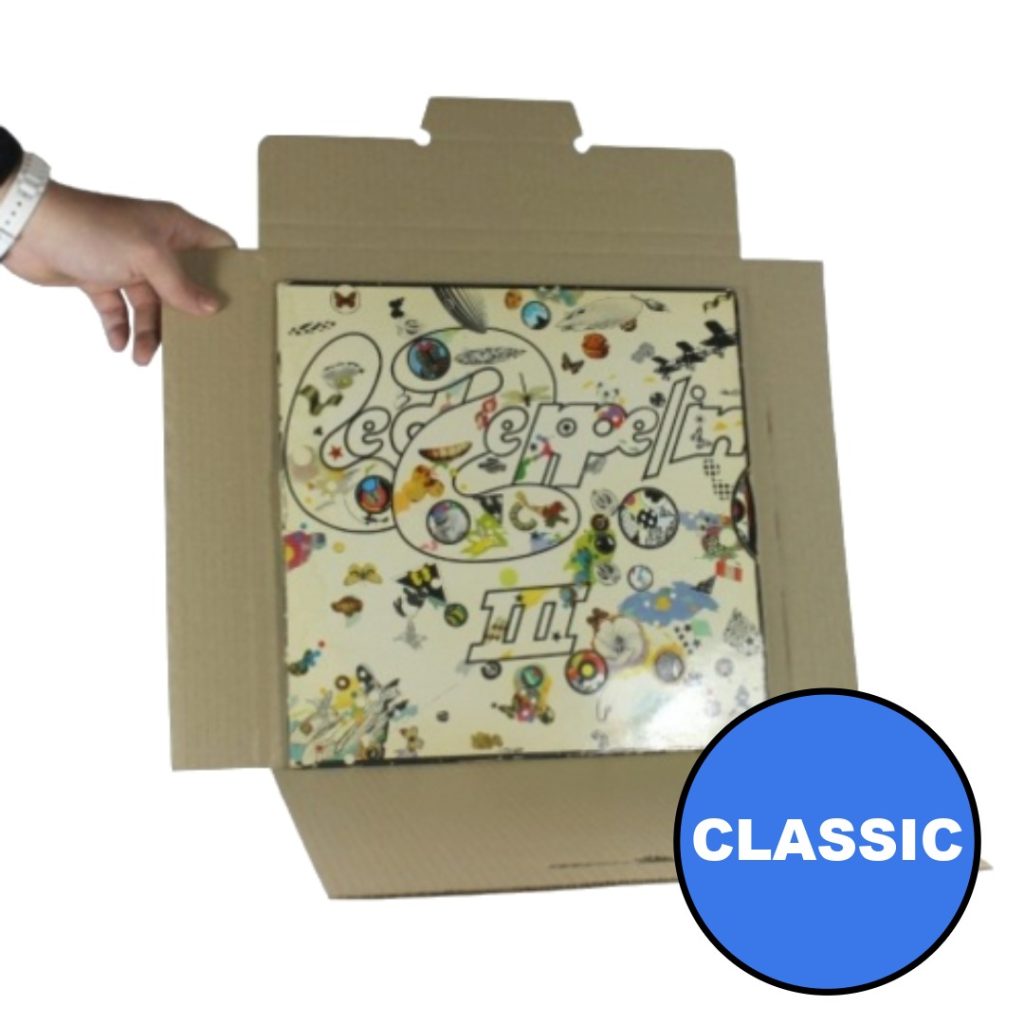
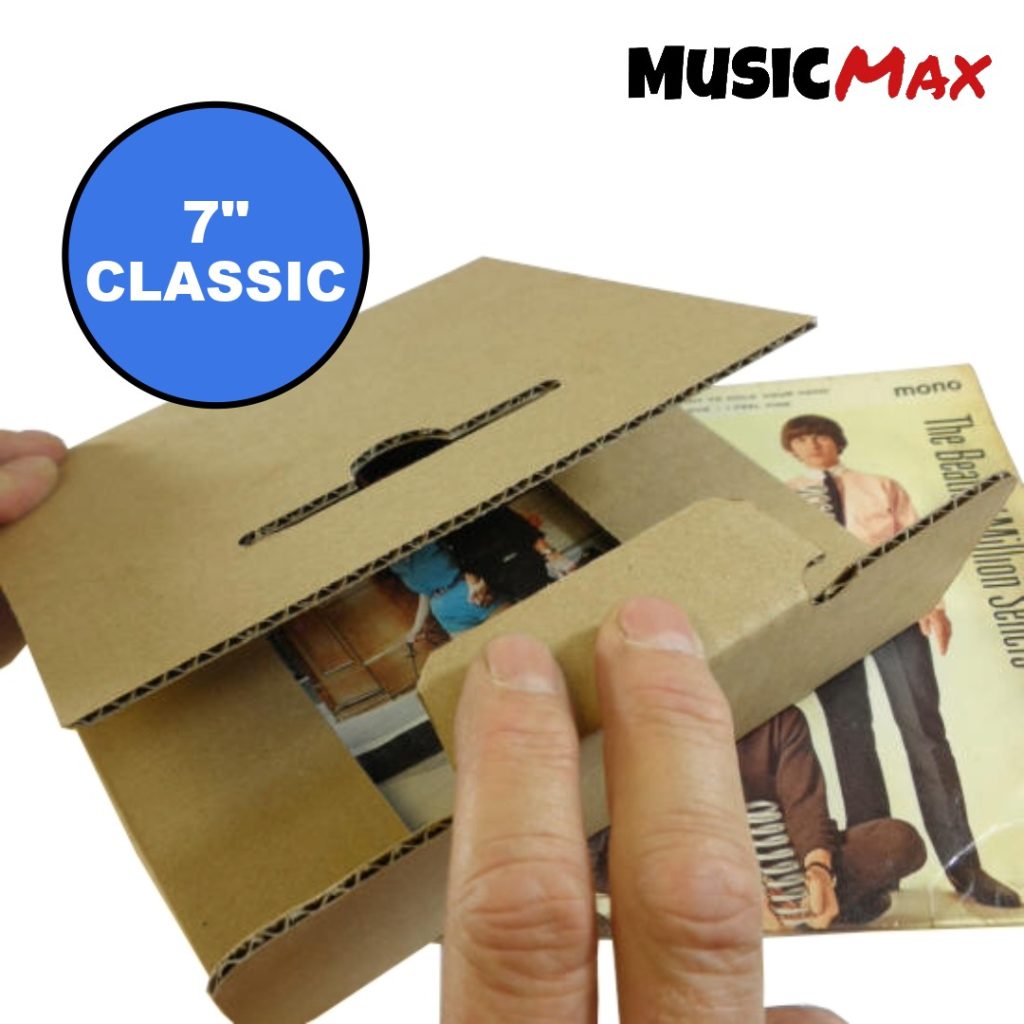
When it comes to transit, corrugated cardboard is king. Defendapack’s MusicMax Classic 7″ and 12″ boxes are cruciform (cross-fold design), locking secure tabs and layered fluting to:

  • Absorb shocks and crushing forces
  • Provide rigid protection around edges and corners
  • Fit 1–3 standard LPs, ideal for a collector’s order

These boxes are built for scalable reliability—if your operation involves multiple LPs, they’re a lifesaver.


3. Bulk Mailers: QP2 & Twist Solutions for Multi‑LP Shipments

With vinyl booming, sellers needed stronger bulk options, and Defendapack delivered with two flagship designs:

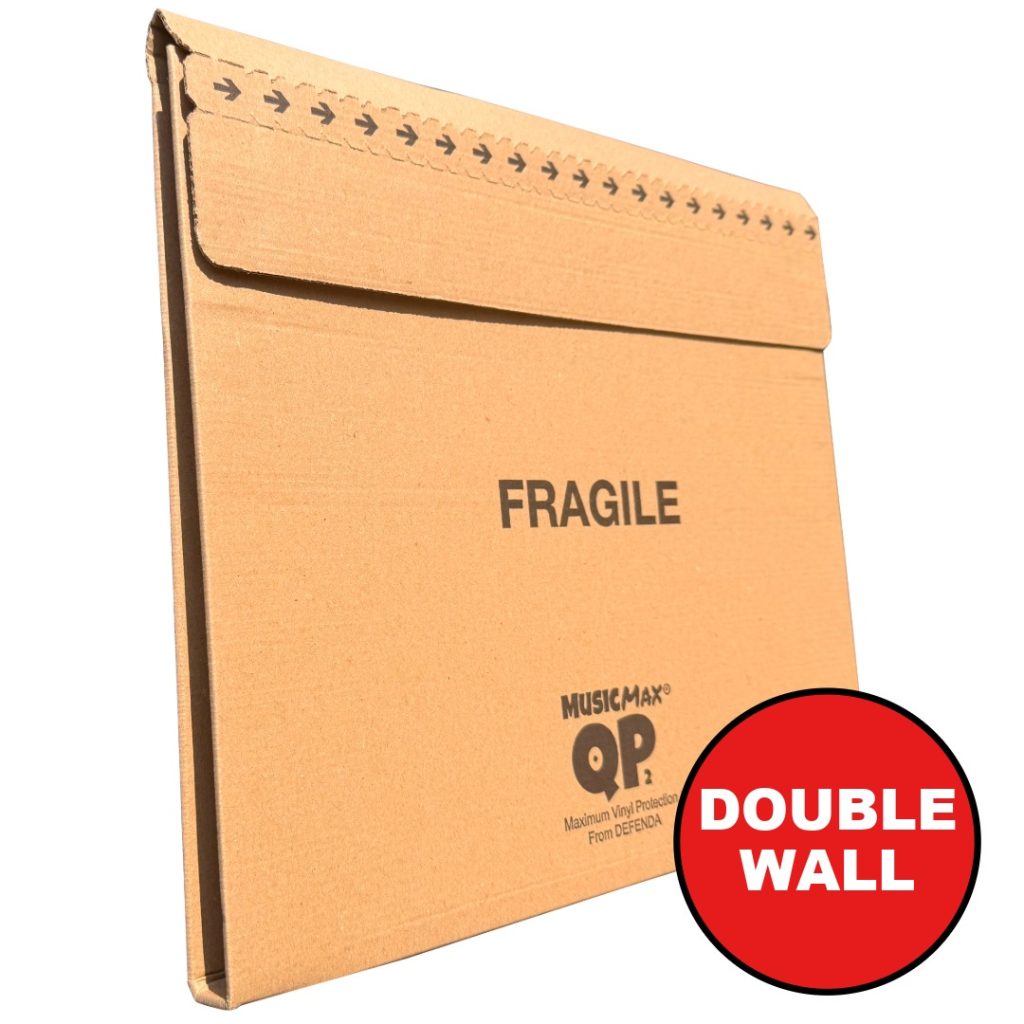
MusicMax QP2 (Quick Pack 2)

  • Double-wall E-Flute corrugated design
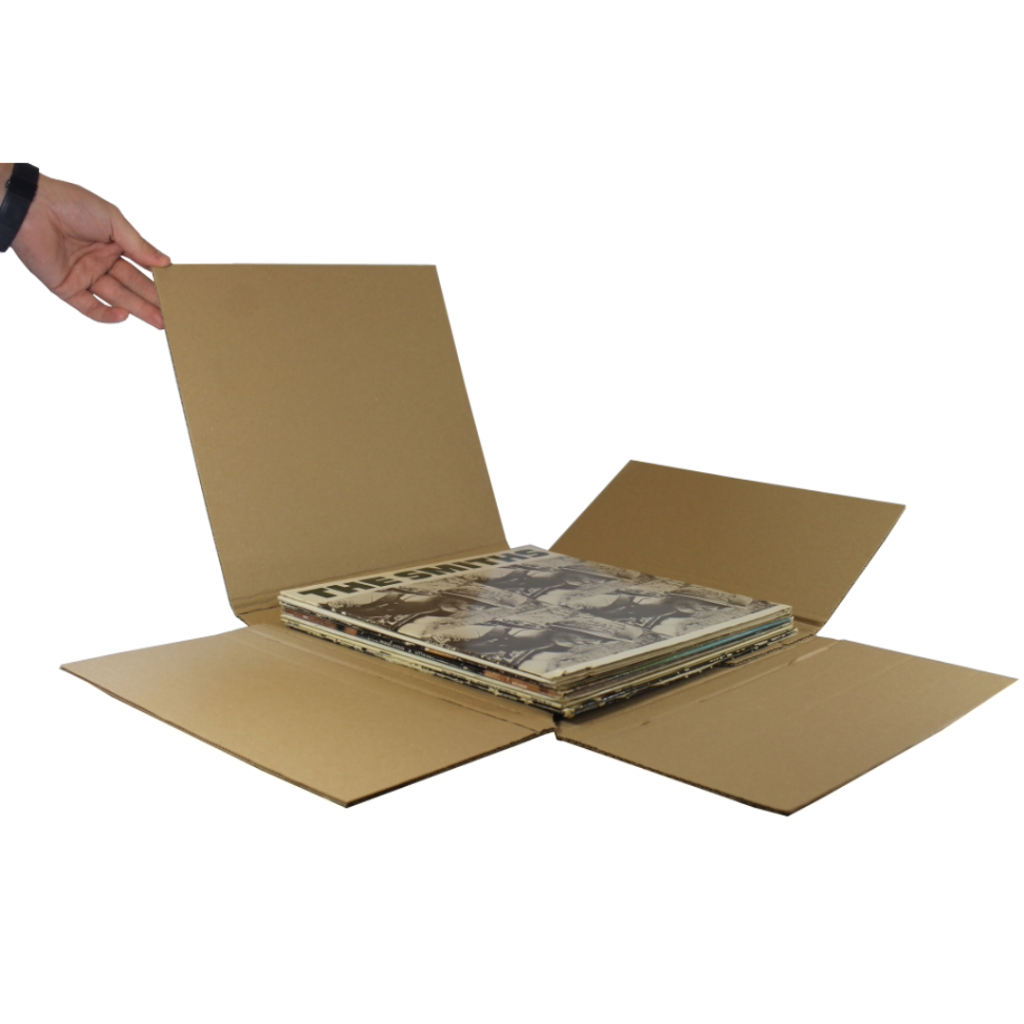
  • Holds up to six LPs without stiffeners
  • Features peel-and-seal closure and tear-strip for easy prep and unpacking
  • Made from 100% recycled board, eco‑conscious yet tough

Perfect for small record businesses with fast turnaround and sustainability goals.

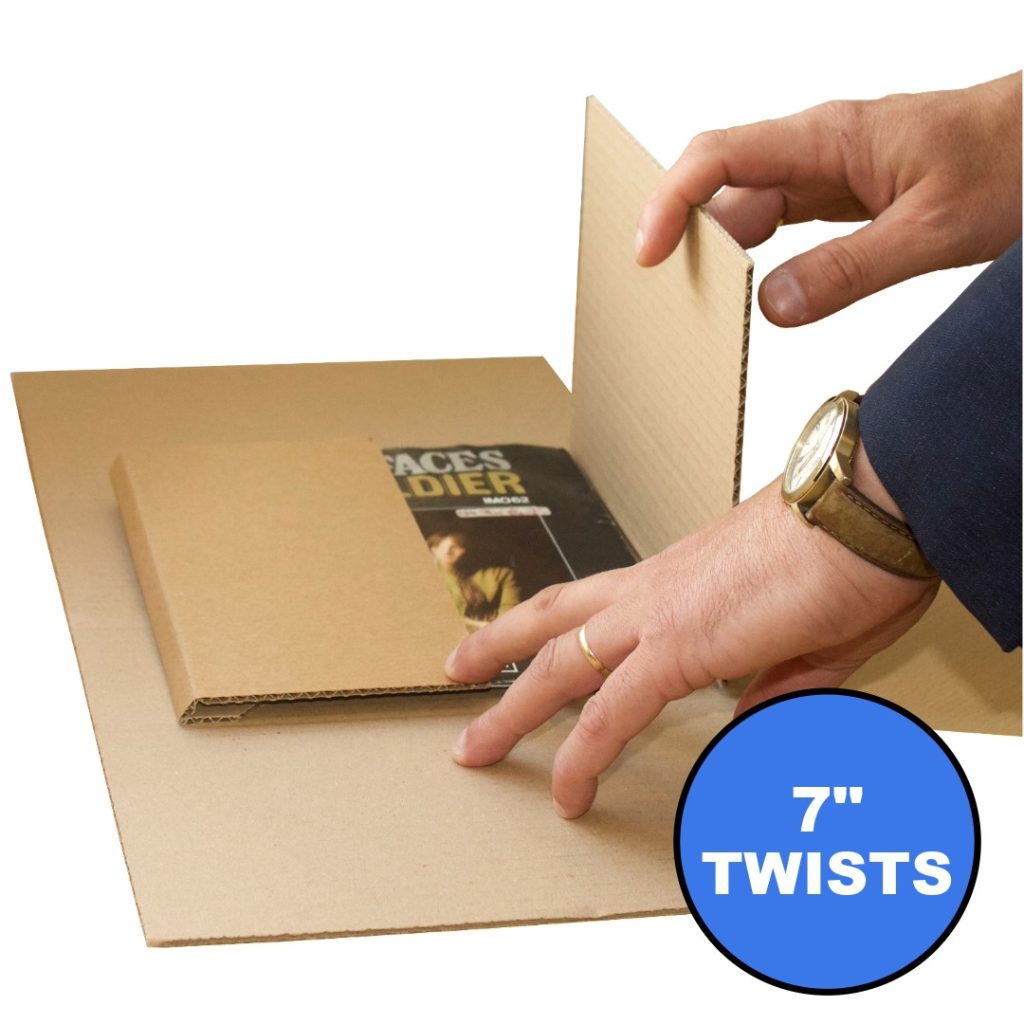
MusicMax Twist Mailers

  • Extra-strong build holds 13–14 LPs (12″) or equivalent singles
  • Self-locking tabs ensure edge-to-edge security
  • Bulk-ships heavy stacks securely, and scales up as you do

These are serious packaging tools—built for expanding vinyl businesses.


4. Stiffeners & Strengtheners: Add‑On Armor for Envelope Mailers

Whether using envelope mailers or QP2 boxes, stiffeners are essential for shielding against corner damage:

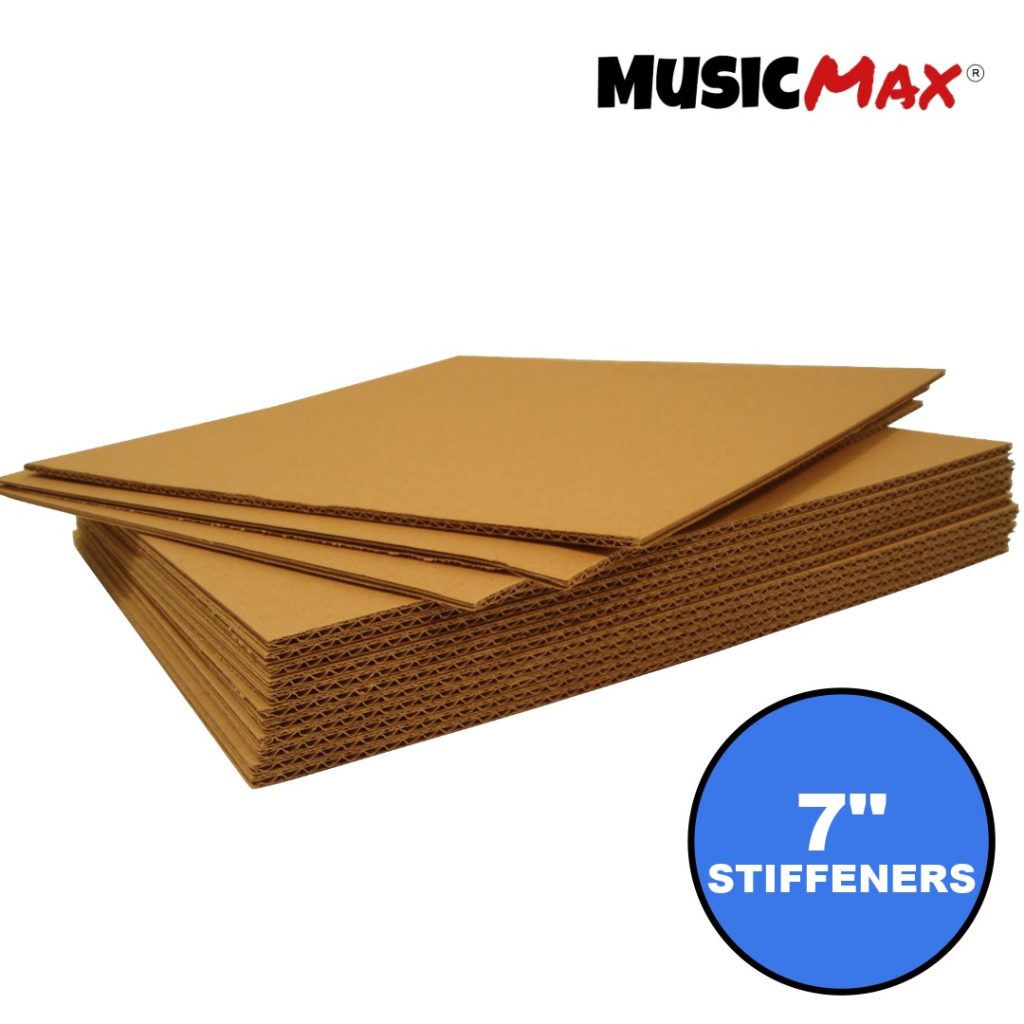
  • Single-wall 7″ stiffeners protect 45 rpm singles
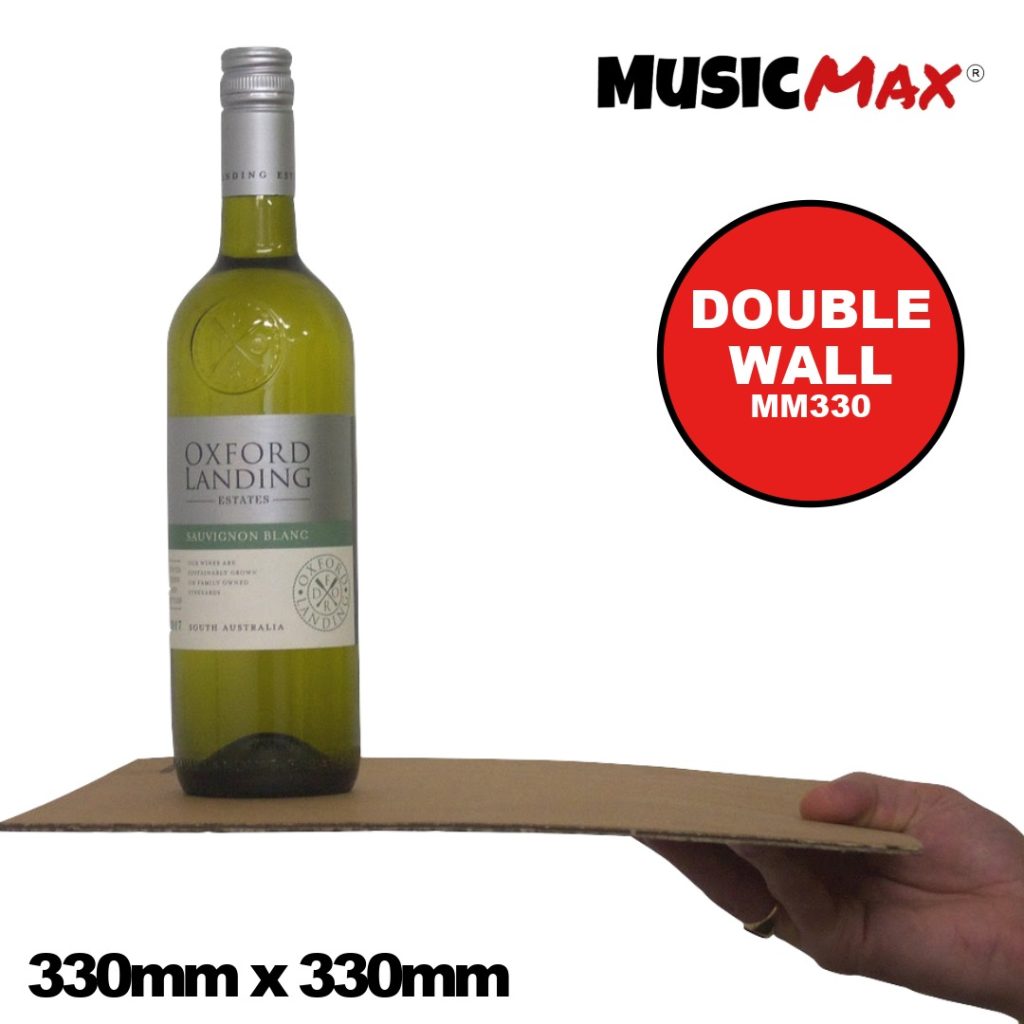
  • Double-wall 12″ stiffeners (MM317 MM330) offer unmatched board thickness (317mm × 317mm or 330mm × 330mm)

These fit snugly inside your mailer or box, creating extra board reinforcement. For rare gatefolds or first-press LPs, stiffeners are non-negotiable.


5. Wooden Cases: Museums’ Choice for High‑Value Vinyl

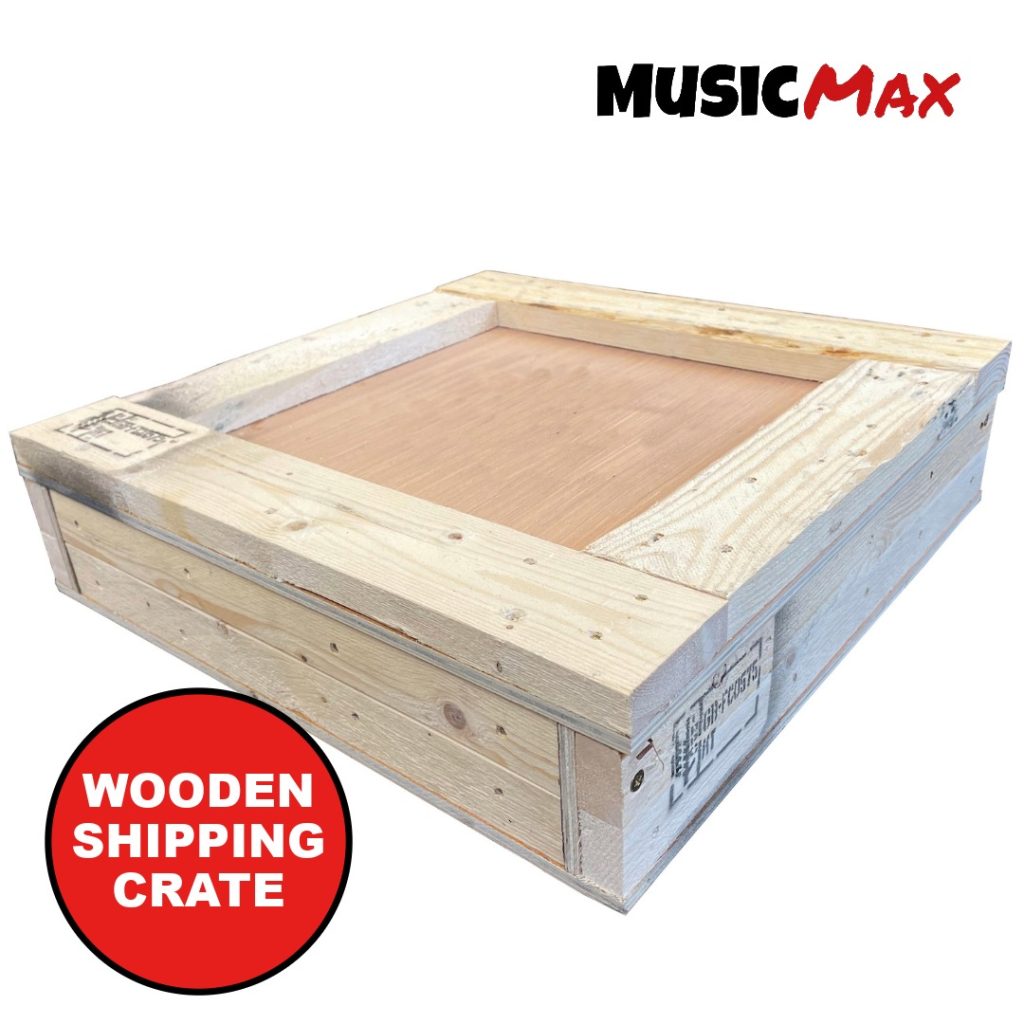
Defendapack caters even to museums, dealers, and exporters with wooden shipping cases:

  • Heavy-duty timber, ISPM‑15 stamped for international shipping
  • Ideal for extremely valuable collections and archival integrity

If you’re shipping precious collections overseas, wood beats cardboard every time.

6. Specialist Tape & Corner Protectors: The Finishing Touches

Secure every fold and edge with:

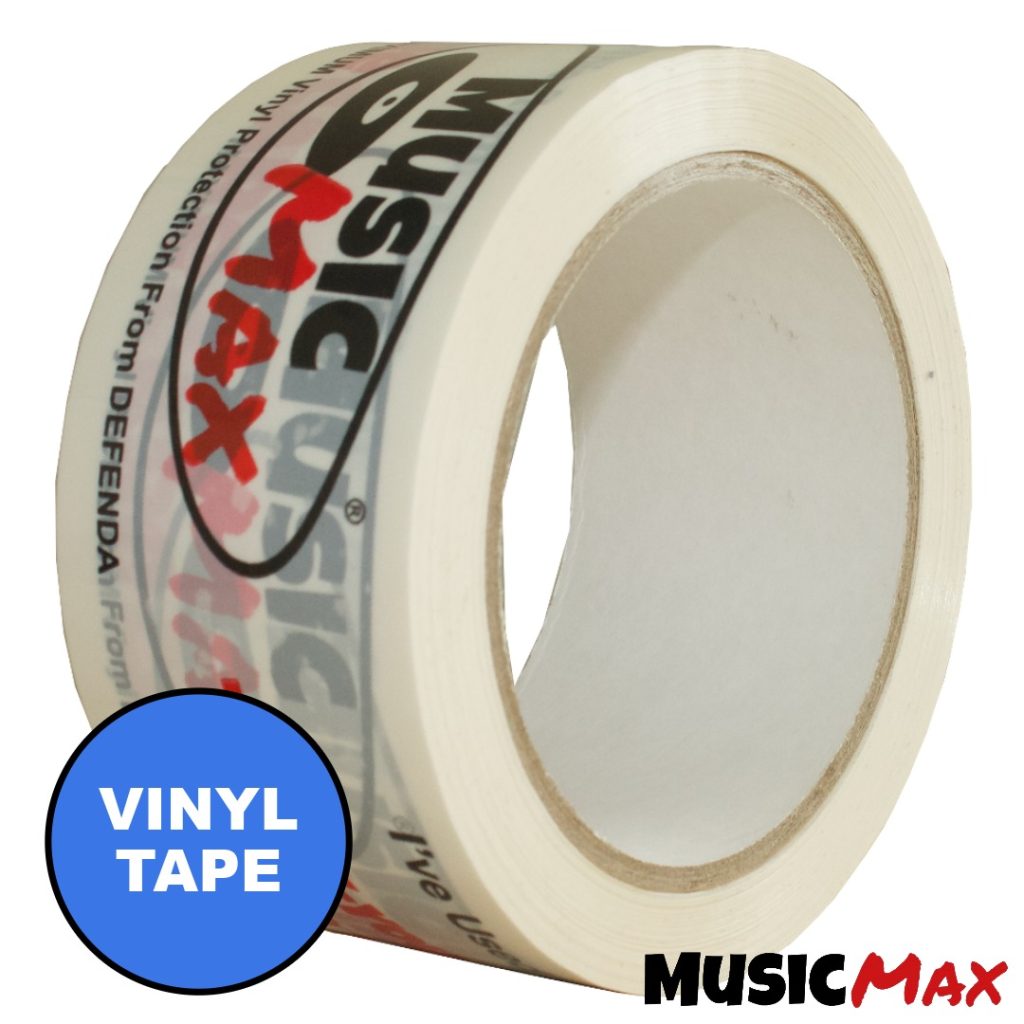
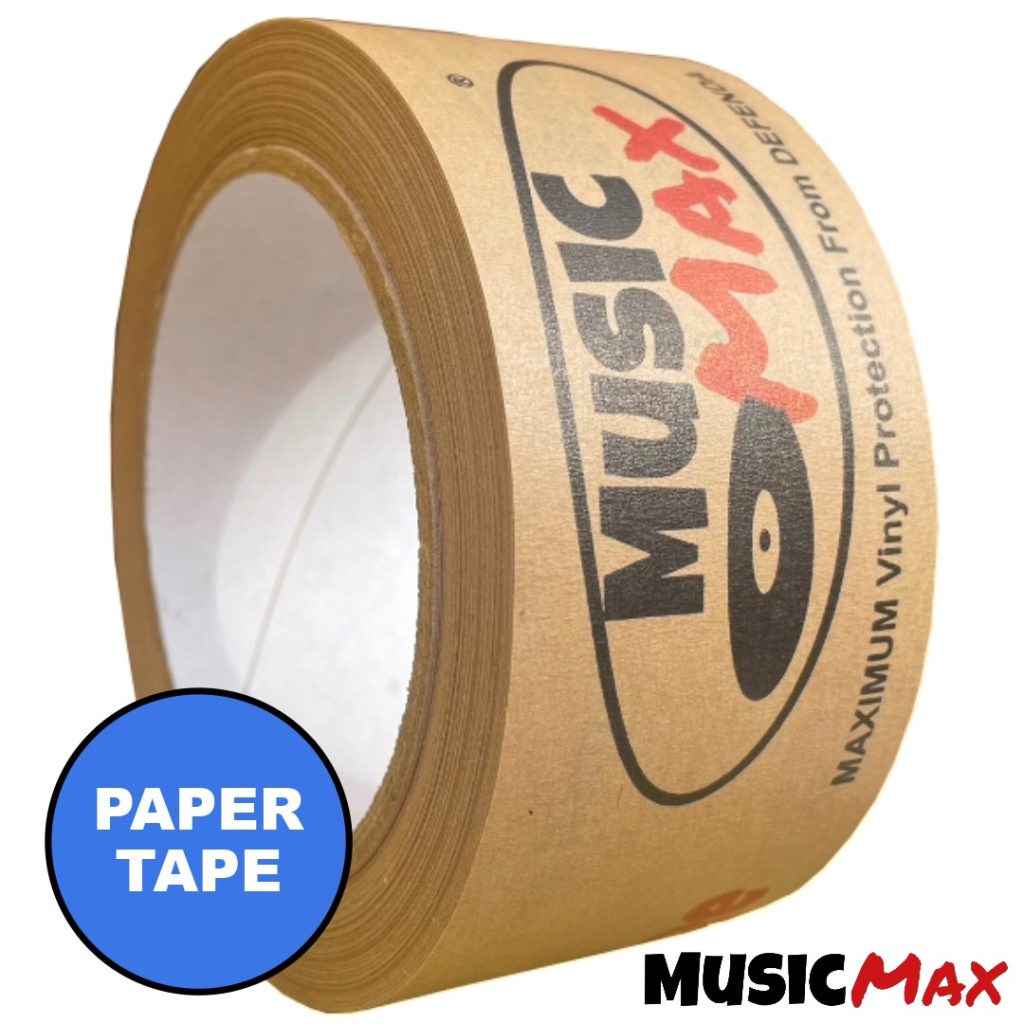
  • Record mailer tape: often printed with “Fragile – Vinyl Records”, ensures snuggly sealed seams
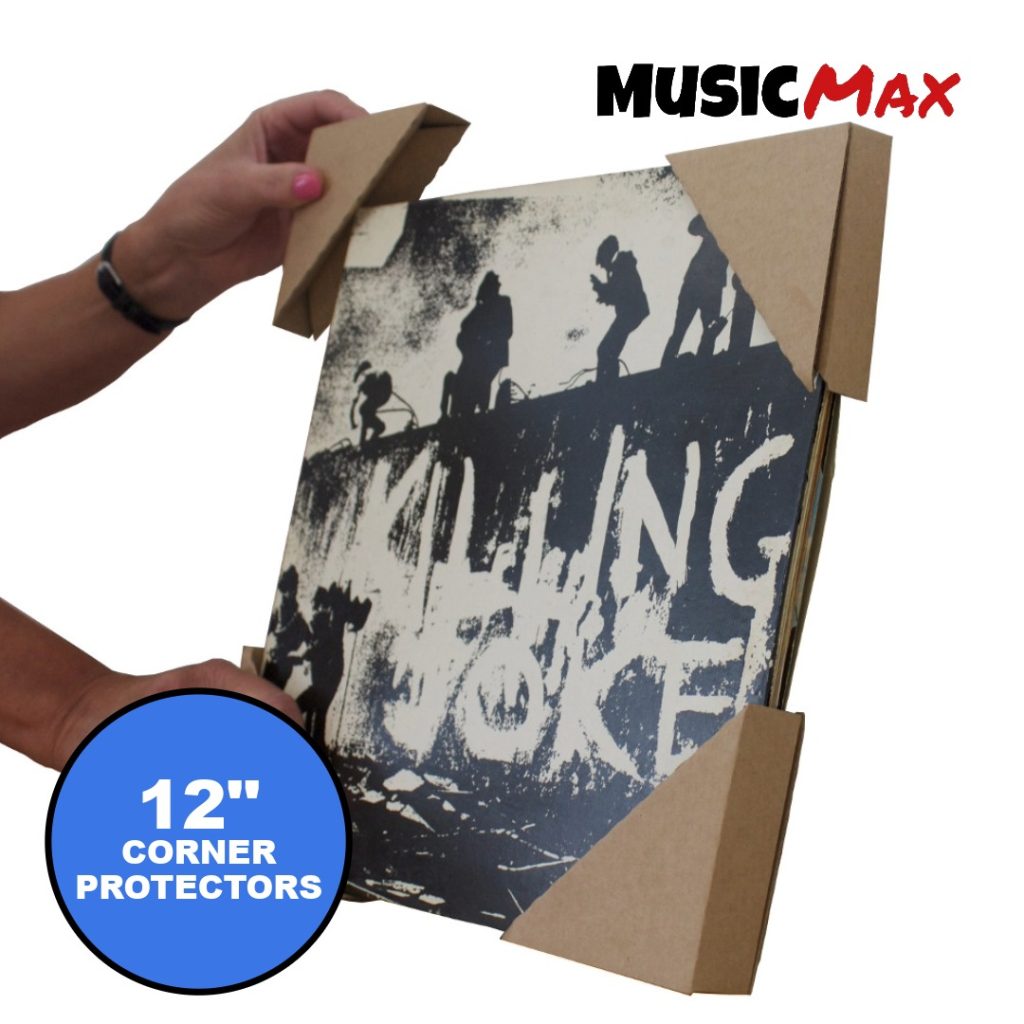
  • Corner protectors: slip-resistant, shock-absorbing inserts that reinforce vulnerable record corners

Combined, they provide three layers of protection: board, corrugation, and targeted reinforcement.


FormatUse‑CaseStack CapacityKey Features
Envelope-style Mailer (7″ / 12″)Single LP or single1Peel‑and‑seal, up to 950 µm board, low postage costs
Classic Corrugated Box (12″ / 7″)1–3 LPs / singles3Cruciform build, locking tabs, fluted rigidity
MusicMax QP2 (Double‑Wall)2–6 LPs6Peel‑and‑seal, eco board, tear strip
MusicMax Twist (Bulk Mailer)7–14 LPs13–14Heavy-duty, locking tabs
Wooden CaseHigh-end collectionsVariesISPM‑15 wood, export-ready

Why Vinyl Sellers Should Choose Defendapack

  1. Experience: 25+ years protecting vinyl—first to introduce corrugated mailers
  2. Reputation: International dealers demand MusicMax packaging for quality assurance
  3. Value: From envelope options to premium wood cases, there’s a product that balances protection and postage savings.
  4. Sustainability: Recycled materials and efficient build quality help reduce carbon footprint.
  5. Accessories: Tape, stiffeners, corner protectors—everything you need, without jumping channels.

Tips for Sellers & Shippers

  • For single LP postage, pair the 12″ envelope mailer with a MM317 stiffener for maximum integrity.
  • Want to ship more than 3 LPs? Go for a corrugated box.
  • High-volume? QP2 Quick Pack has dual protection and time-saving seals.
  • Large orders? Twist mailers handle dozens without damage.
  • Shipping abroad with rare vinyl? Opt for a wooden case to avoid rejection at customs.
  • Always use mailer tape + corner protectors to safeguard against rough handling.

Premium Protection, Delivered

MusicMax products from Defendapack are designed by vinyl lovers, for vinyl lovers. From those first 7″ singles to heavy bulk orders or cherished archival sets, your records deserve protection that matches their value. Corrugated builds, reinforced stiffeners, user-friendly closures, and export-grade wood cases mean you’re never compromising.

In a world where a scratched LP can ruin a listening session, make sure your parcels scream “professional care”. Choose Defendapack’s vinyl record mailers, envelopes, boxes, and mailing boxes—they’re the final word in secure, smart vinyl shipping.